Children in Gaza: Why Urgent Aid Is Essential
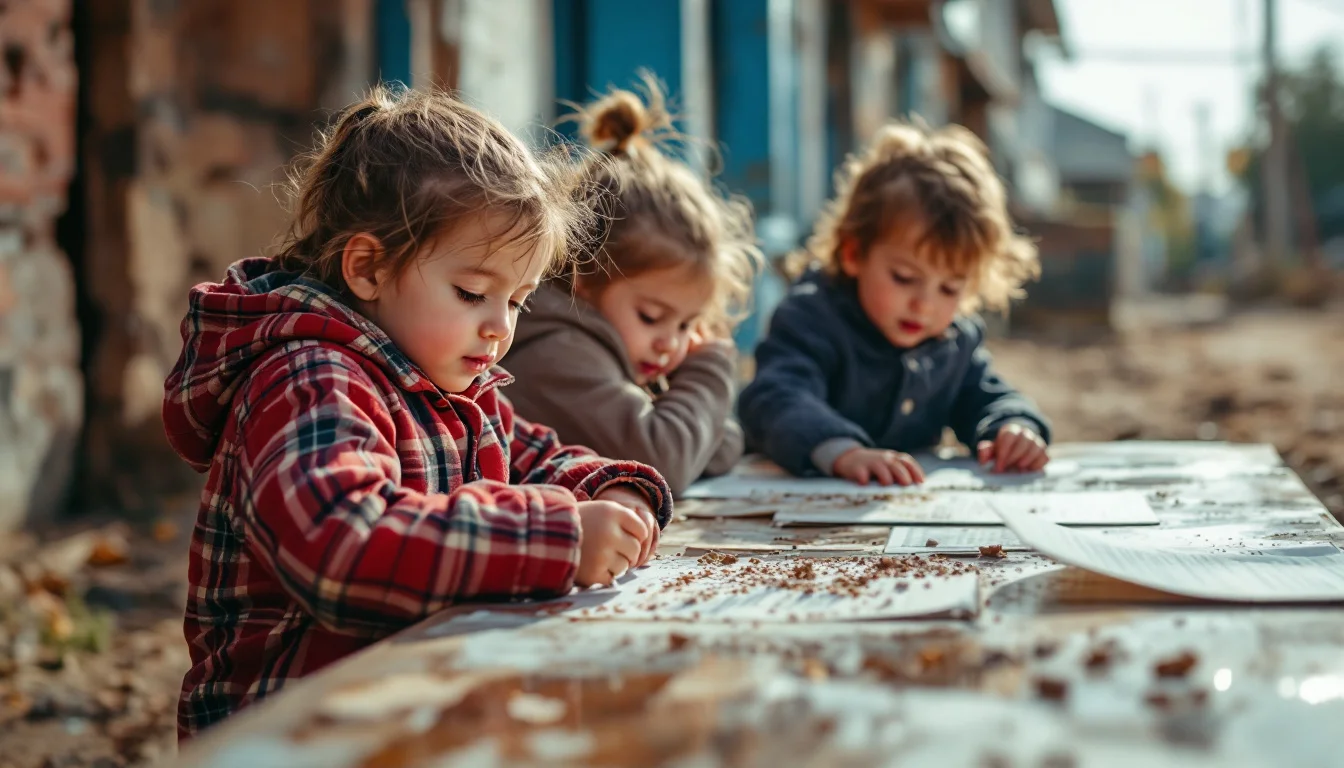
In any crisis, children are the most vulnerable. In Gaza, humanitarian aid focuses on essential needs like drinking water, healthcare, and psychosocial support. This article offers a clear look at why this assistance is crucial and how you can contribute.
Table of contents
1. Children are the most vulnerable
2. Essential needs
3. Aid on the ground
4. How you can contribute
5. The demand for transparency
6. More than a financial donation
7. Frequently asked questions
8. Why children are so vulnerable
9. The importance of sustained aid
10. The role of ongoing awareness
11. Making a difference together
12. Conclusion
Children are the most vulnerable
In any conflict, children pay a particularly heavy price. They rely entirely on adults for their safety, nutrition, and care, and the upheaval of a crisis strikes directly at these fundamental needs. Protecting children is therefore a top priority for humanitarian organizations.
In Gaza, as in other emergencies, access to safe drinking water, healthcare, and psychosocial support becomes a matter of survival. These are the exact areas where humanitarian efforts are focused, aiming to protect the lives and dignity of the youngest victims.
Essential needs
The needs of children in a crisis are concrete and urgent. They center around a few fundamental areas on which their daily survival depends.
Area of need
Why it is vital
Drinking water
Preventing dehydration and waterborne diseases
Healthcare
Treating injuries and illnesses, protecting infants
Psychosocial support
Helping children cope with profound trauma
Nutrition
Combating malnutrition among the youngest
Meeting these needs requires an on-the-ground presence and sustained resources. That is the very core of humanitarian emergency aid for children.
Aid on the ground
Assisting children is never just a one-off gesture. It is an ongoing effort that involves supplying water, providing medical care, and establishing safe spaces for counseling. These operations rely on a continuous commitment of resources.
"Since the outbreak of the conflict in the Gaza Strip, UNICEF has ensured that 1.6 million children have access to drinking water. In addition, hundreds of thousands of children have received healthcare and psychosocial support." Source: Christèle Devos, General Director of UNICEF Belgium
How you can contribute
A donation funds highly concrete actions for children. Rather than remaining an abstract concept, your support translates directly into clean water, medical care, and counseling, reaching those where the needs are greatest.
- Water: helping provide access to safe drinking water
- Healthcare: supporting access to essential medical care
- Support: helping provide psychosocial counseling for children
Those wishing to support these relief efforts can help gaza by making a donation for the children, which directly funds concrete actions on the ground. Every contribution joins a collective effort to protect the most vulnerable.
The demand for transparency
When you support a charity, you rightfully want to know how your money is being spent. Recognized humanitarian organizations provide full accountability regarding the allocation of donations and resources, ensuring everyone can contribute with absolute confidence.
Educating yourself on how an organization operates and communicates about its activities is a healthy habit. It helps you make informed choices about where to direct your support.
More than a financial donation
Supporting children in a crisis can take many forms. Financial donations are one way, but spreading information and raising awareness matter too. Simply talking about the plight of these children helps keep the focus on their urgent needs.
Everyone can, within their means, share reliable information and advocate for the youngest victims within their own communities. These actions perfectly complement material aid.
Frequently asked questions
Some common questions about providing aid to children.
What exactly does a donation fund?
A donation finances on-the-ground actions: access to clean drinking water, healthcare, and psychosocial support for children affected by the crisis.
How do I know my donation is being used well?
Recognized organizations are fully accountable for how they use their resources. It pays to consult their reports and public information regarding how donations are spent.
Can I help in ways other than donating money?
Yes. Sharing reliable information and raising awareness in your community also contributes significantly to maintaining sustained attention on the needs of children.
Why children are so vulnerable
Children lack the resources and independence of adults to protect themselves. When a crisis disrupts access to water, care, and food, they feel the impacts the fastest and the hardest.
Their health is far more susceptible to waterborne diseases, and a prolonged state of insecurity can leave lasting scars on their development. That is why aid efforts prioritize their most basic needs.
Beyond their physical well-being, children are highly sensitive to the instability around them. A disrupted environment takes a heavy toll on their emotional balance, which explains why psychosocial support holds such a prominent place alongside material aid.
The importance of sustained aid
Simply addressing the immediate emergency is not enough: the needs persist long after the first days of a crisis. Effective aid is aid that is sustained over time, ensuring that access to water and medical care is never interrupted.
This continuity requires regular, rather than one-time, funding. That is precisely why ongoing support matters, no matter how modest: it allows organizations to plan and sustain their operations on the ground.
Anchoring your support over time—whether through regular donations or by maintaining ongoing awareness of the situation—contributes to this stability. It is through consistency that our collective efforts achieve their full impact.
The role of ongoing awareness
Aiding children in a crisis relies not only on resources but also on public awareness. As long as the situation remains visible, people remain willing to contribute, keeping the aid flowing. When a crisis fades from the news cycle, that support threatens to slowly dry up, even as the needs persist.
That is why everyone has a role to play, even those who cannot help directly on the front lines. Sharing reliable information, discussing the topic, and advocating for the youngest victims keep the crisis alive in our collective consciousness.
This awareness, in turn, translates into concrete support. It encourages donations and helps organizations maintain their operations on the ground, even during more difficult periods. In this way, awareness and aid mutually reinforce one another.
There are therefore many ways to contribute, and they all complement each other. A donation, a conversation, or sharing accurate information are each, in their own way, valid forms of support for children in need.
Making a difference together
No contribution stands alone. What one person does may seem small, but combined, all those gestures amount to substantial support. That is exactly where the power of a collective effort lies: it transforms many small contributions into one deeply meaningful whole.
This idea also makes it easier to take the first step. You do not have to carry the burden all by yourself; it is enough to do your part, knowing that others are doing the same. This makes providing aid both feasible and sustainable.
Whether it is a donation, a conversation, or sharing accurate information, every form of involvement counts. Together, these actions provide the sustained awareness and resources that children in a crisis desperately need.
Conclusion
During a crisis, children require concrete, continuous assistance: water, medical care, and the support needed to endure their hardship. A donation contributes directly to this effort. Staying informed, offering support, and sharing information are all valuable ways to stand by the youngest victims, quietly and steadfastly.