Anti-Inflammatory Diet: A 21-Day Beginner Plan and Meal Prep Strategy
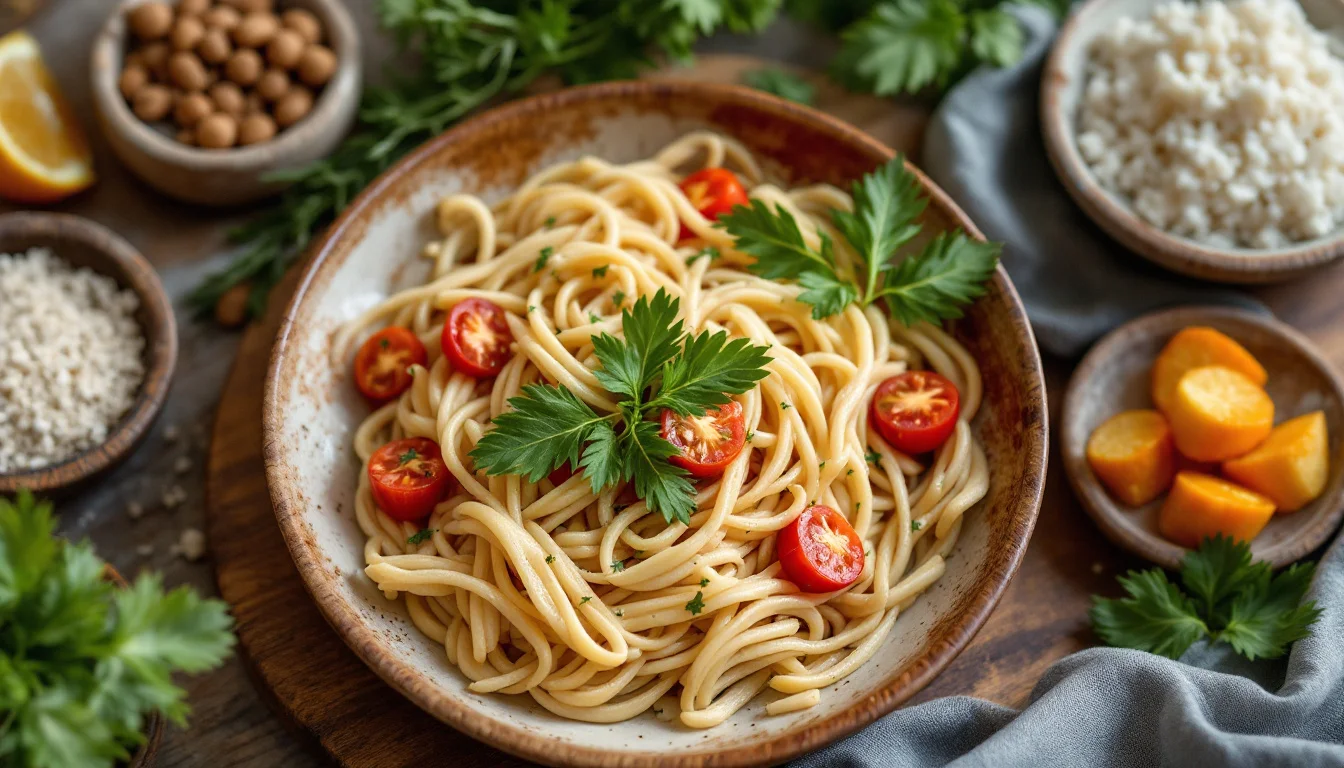
Transitioning to an anti-inflammatory diet is less about following a rigid, branded regimen and more about fundamentally changing a daily pattern of eating. According to Harvard Health Publishing's "Quick-Start Guide to an Anti-Inflammation Diet," there is no single definitive anti-inflammatory diet; rather, this eating pattern is guided just as much by the foods you intentionally avoid as by the ingredients you choose to consume. For many, the motivation to overhaul their nutrition stems from the daily toll of bodily distress. What many nutritional frameworks identify as chronic inflammation often presents through a cascade of pervasive symptoms.
Fay Nutrition's "21-Day Anti-Inflammatory Diet Meal Plans" attributes several concerning signs to this inflammatory state. These include feeling exhausted all the time even after a restful night of sleep, waking up with stiff joints that take hours to ease, experiencing frequent headaches, and struggling with persistent brain fog. Additional signs include ongoing digestive issues, increasingly sensitive skin, notably slow wound healing, and a compromised immune system that results in catching every passing cold.
Addressing these symptoms through deliberate dietary choices may offer physiological rewards. Harvard Health Publishing highlights that an anti-inflammatory eating approach may deliver widespread health benefits that extend beyond immediate symptom relief. By prioritizing nutrient-dense foods and eliminating triggers, individuals may be able to lower their cholesterol, improve their blood pressure, and build added protection against heart disease. Furthermore, these dietary shifts may be associated with a reduced long-term risk of stroke and Alzheimer's disease, while also offering the potential practical benefit of reducing pain and soreness after physical exercise.
Key Takeaways
- Adopt a 21-Day Batch-Cooking Habit: Overcome the daily fatigue of cooking by preparing and storing meals in advance, reducing reliance on in-the-moment willpower.
- Apply the 5-to-10-Ingredient Rule: Aim to keep recipes between five and ten main ingredients (excluding spices) to streamline meal assembly and decrease grocery stress.
- Crowd Out Ultra-Processed Triggers: Focus on replacing packaged convenience foods, refined white flour, and artificial sweeteners with whole-food alternatives.
- Personalize Your Plate: Customize the approach based on individual bio-responses, paying attention to otherwise healthy foods like dairy, gluten, or nightshades that may trigger specific sensitivities.
Why Does Willpower Fail on an Anti-Inflammatory Diet?
Relying on sheer willpower to sustain a new diet often leads to failure, particularly when physical discomfort is already a daily reality. Pain and fatigue are common reasons people with arthritis and chronic inflammation are reluctant to embark on a daily meal-planning journey. When energy levels are depleted and joints are stiff, the effort required to chop vegetables, stand over a stove, and clean up a kitchen becomes a significant barrier. This physical exhaustion frequently drives individuals back toward convenient, pro-inflammatory packaged foods, creating a cycle of fatigue and poor nutrition.
Breaking this cycle requires a structural system rather than a daily test of discipline. Committing to a 21-day transition period focused strictly on meal prep provides that necessary structure. Arthritis Society Canada defines meal prep as the practice of preparing and storing one or more weekly meals and snacks in advance. Implementing this upfront batch-cooking strategy serves multiple functions: it acts as a reliable method to save money at the grocery store, significantly decreases daily stress, helps control body weight, and ensures that anti-inflammatory foods are consistently added to the menu.
By systematically front-loading the effort, the 21-day timeline serves as a behavioral runway rather than a biological deadline, allowing individuals to establish an eating pattern that Fay Nutrition notes is similar to the well-studied Mediterranean diet. Structuring meals in advance eliminates the friction of daily decision-making, and may help support lower systemic inflammation in the body and overall, long-term health.
How Do You Audit Your Pantry for Anti-Inflammatory Swaps?
A successful anti-inflammatory transition requires systematically auditing your pantry to remove items that may actively provoke an immune response. Harvard Health Publishing's quick-start guidance emphasizes that the primary goal is to stay away from "ultra-processed" foods. These are broadly described as nearly anything that comes in a package, specifically including microwaveable dinners, hot dogs, chicken nuggets, dehydrated soups, baked goods, sugary cereals, processed meats, biscuits, and bottled sauces.
Replacing these triggers requires understanding exactly what makes them problematic and choosing an alternative that serves the same culinary purpose without the physiological cost. The following table maps common dietary habits to their anti-inflammatory upgrades:
| Pro-Inflammatory Trigger | Anti-Inflammatory Swap | The Scientific Reason |
|---|---|---|
| Refined White Flour | Whole Grains (e.g., quinoa, brown rice) | According to Harvard Health Publishing, white flour in particular may lead to a pro-inflammatory state in the body. |
| Artificial Sweeteners (aspartame, sucralose) | Unsweetened alternatives or naturally sweet whole foods | These sugar substitutes are not necessarily healthy replacements for added sugar; Harvard Health Publishing notes some studies suggest certain substitutes may actually trigger inflammation. Stevia and monk fruit may be exceptions, though it is still best to avoid them when found in ultra-processed foods and to generally limit added sweetness. |
| Ultra-Processed Convenience Foods | Batch-cooked whole foods | Packaged goods—from microwaveable dinners to baked goods and sauces—contain additives and refined ingredients that may drive systemic inflammation. |
Executing the Swaps
Removing these items from the kitchen environment is the foundational step of the 21-day reset. If ultra-processed foods are easily accessible during moments of fatigue, the meal prep strategy is compromised. By clearing out sugary cereals, processed meats, and artificially sweetened snacks, you create a controlled environment where the only available options are those that support your structural meal assembly.What Is the Modular 5-to-10-Ingredient Meal Assembly Formula?
Complex recipes with extensive ingredient lists are counterproductive for beginners managing fatigue. To make meal prep sustainable, Arthritis Society Canada recommends a highly specific beginner method: step one is to keep ingredients simple by using recipes with five to ten main ingredients, not including spices and herbs.
Rather than memorizing recipes, you can build a meal mathematically by combining these modular components:
- The Half-Plate Vegetable Foundation: Arthritis Society Canada advises that about half of your plate should consist of fruits or vegetables. If a pre-planned meal already includes whole grains and a meat or legume, the formula requires adding a side of roasted vegetables or a piece of fruit to maintain this visual ratio.
- Healthy Fats & Omega-3s: Fay Nutrition lists essential healthy fats for an anti-inflammatory diet, which include extra-virgin olive oil, avocados, nuts (such as walnuts and almonds), and seeds (such as chia and flax). Fatty fish—specifically salmon, mackerel, sardines, and tuna—are highly emphasized for their rich omega-3 fatty acid content. Arthritis Society Canada also notes that other oils derived from hemp, avocado, grapeseed, or coconut may be used as alternatives to olive oil.
- Phytochemical Spices (The "Free" Additions): Herbs and spices do not count toward the ingredient limit and function as powerful active agents. Arthritis Society Canada highlights that ginger, turmeric, garlic, cinnamon, cayenne, oregano, basil, rosemary, sage, and thyme have shown antioxidant and anti-inflammatory properties related to their high content of phytochemicals.
Constructing the Meal
To assemble a meal using this framework, select one lean protein (or legume), one healthy fat (like a drizzle of extra-virgin olive oil or a sprinkle of walnuts), one whole grain, and fill the remaining 50% of the container with colorful vegetables. Finish by heavily seasoning the dish with a blend of the targeted phytochemical spices. This formula removes the guesswork from grocery shopping, allowing you to buy whole ingredients in bulk and combine them interchangeably throughout the week.Which Seemingly Healthy Foods Can Trigger Inflammation?
While the meal assembly formula relies heavily on whole, unprocessed foods, an effective anti-inflammatory diet must account for bio-individuality. A one-size-fits-all approach is ineffective because a food that heals one person may actively harm another.
Fay Nutrition notes that some foods universally categorized as healthy can be highly inflammatory for certain individuals based on their unique biology. Understanding these hidden triggers is essential if symptoms persist after removing ultra-processed foods.
Specific examples include:
- Gluten (wheat, rye, barley): While whole grains are typically encouraged, gluten acts as a severe inflammatory trigger for individuals diagnosed with celiac disease or non-celiac gluten sensitivity.
- Dairy (milk, cheese, butter): These common staples may provoke inflammatory responses in people managing lactose intolerance or a specific casein sensitivity. It is worth noting that for some individuals, dairy may actually have anti-inflammatory effects.
- Nightshades (tomatoes, eggplant, potatoes, peppers): Although these vegetables are nutrient-dense and safe for most, they are sometimes anecdotally reported to exacerbate symptoms for some people with certain autoimmune conditions, though rigorous clinical evidence for this is lacking.
FAQ: How Do You Navigate the Daily Nuances of an Anti-Inflammatory Routine?
Can I still drink coffee or wine on an anti-inflammatory plan?
Yes, but boundaries apply. According to Arthritis Society Canada, water should remain your main drink throughout the day. However, herbal tea infusions, cocoa powder-infused beverages, coffee, and red wine can be part of an anti-inflammatory way of eating. These specific beverages are permitted in moderation primarily because they contain a high polyphenol content, which supports the body's natural defenses. Arthritis Society Canada also advises limiting caffeinated beverages to one or two cups a day.Are there long-term benefits beyond symptom relief?
Yes. Beyond immediate practical benefits like potentially reducing pain and soreness after physical exercise, Harvard Health Publishing notes that prioritizing nutrient-dense foods and eliminating triggers is associated with added protection against heart disease. These dietary shifts may also be associated with a reduced long-term risk of stroke and Alzheimer's disease.Conclusion
The 21-day timeline is not a definitive finish line, but rather a strategic on-ramp designed to rewire both the palate and daily household routines. By front-loading the effort through batch cooking and relying on modular meal assembly, the structural friction that typically sabotages dietary changes is systematically dismantled. As you move past this initial behavioral runway, reassess your energy levels and consider carefully reintroducing suspected triggers to see how your body responds. The ultimate measure of success in this transition occurs when anti-inflammatory eating ceases to feel like a conscious, restrictive diet that demands daily willpower. Instead, through the repetition of mindful grocery shopping, strategic pantry auditing, and consistent meal prep, choosing foods that may lower inflammation can become part of an automatic, sustainable lifestyle.
--- The information in this article does not replace medical advice. Consult your doctor or a qualified healthcare professional.