How to Decorate a Small Apartment in 2026: Designer Tricks to Maximise Space
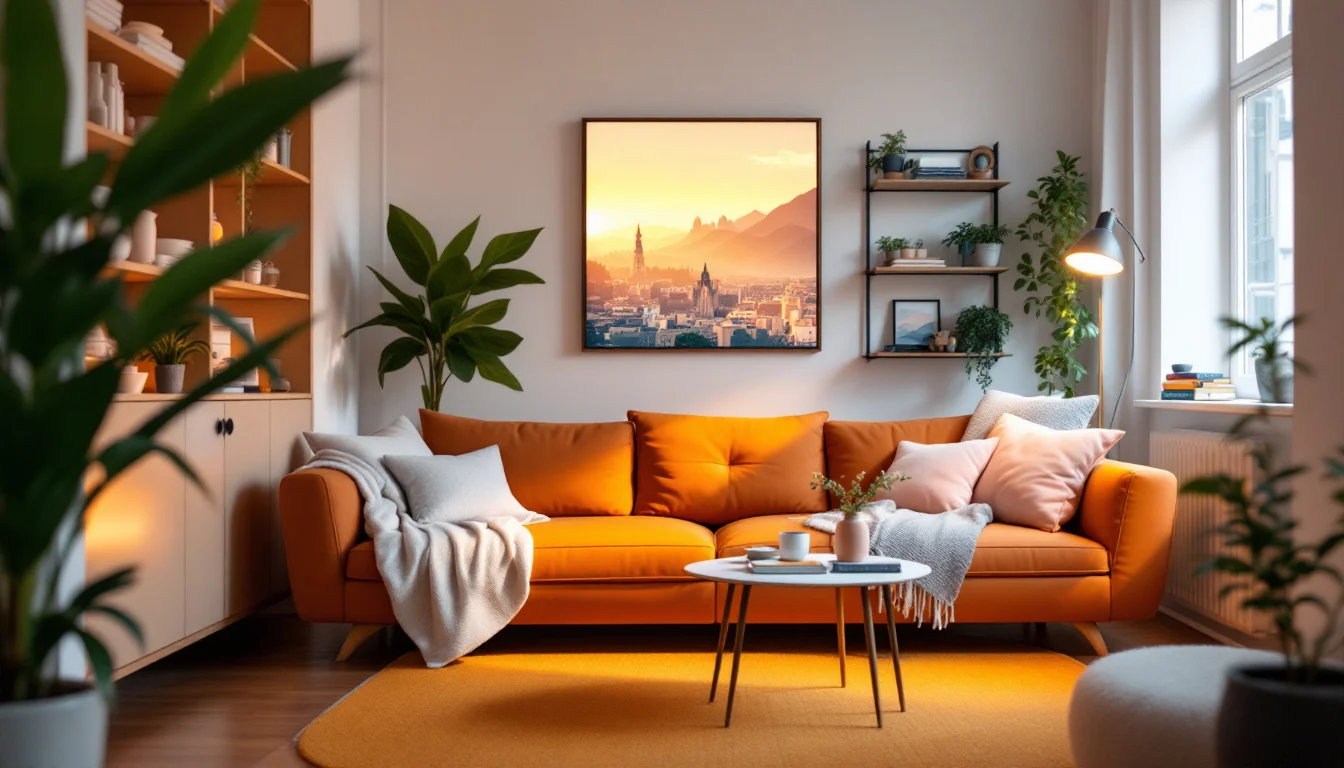
Living in a small urban apartment in 2026 no longer means settling for clinical survival strategies. For years, residents relied on basic, heavily restrictive design rules to keep their micro-apartments feeling habitable. Today, the approach to maximising a small floor plan is expanding. Designers are exploring alternatives to the stark, all-white minimalist survival strategies of the previous decade, leaning instead into bold aesthetics and invisible technology that elevate the living experience.
Having a small footprint no longer requires compromising on luxury or personal aesthetic identity. By embracing highly engineered modular architecture and advanced spatial zoning, even a modest studio can function with the utility of a much larger home. Whether integrating architectural modifications or relying on renter-friendly design hacks, the modern approach proves that limited square footage is simply an invitation for smarter, more deliberate interior design.
Key Takeaways
For a rapid overview of small apartment optimisation in 2026, consider these primary design shifts:
- Monochromatic continuity: The popularisation of "colour drenching" provides an alternative to stark white walls by painting everything in a single, unifying shade.
- Invisible technology: Clunky hardware is being replaced by integrated smart sensors and adaptive lighting that free up physical space.
- Hyper-modularity: Modern furnishings seamlessly transition a single room from a living space to a dining room or bedroom depending on the time of day.
- Non-destructive upgrades: Renters can now achieve high-end, dynamic environments through layered lighting, leaning mirrors, and smart accessories without drilling into walls.
The End of All-White Minimalism: Embracing 'Colour Drenching'
For decades, conventional interior design adhered to a strict rulebook regarding small spaces. Logisco advises choosing light paint tones such as white and pale grey for a small apartment, stating that dark colours can quickly make a room look much smaller than it really is. Under this traditional framework, pale shades create an essential impression of size and cleanliness. However, 2026 design trends directly challenge the idea that small apartments must remain visually sterile to feel spacious.
The Shift to Monochromatic Uniformity
According to Foire de Paris, colour drenching consists of painting a room from floor to ceiling in one single shade. Long reserved for small transitional spaces such as hallways, the technique is now extending to living rooms and bedrooms, Foire de Paris notes. By covering walls, skirting boards, doors, and ceilings in the exact same tone, the eye no longer perceives the sharp visual boundaries that typically dictate the size of a room.
Strategic Tone Selection
While the application method has changed, the psychological impact of specific colours remains relevant for different design goals. Foire de Paris states that lighter shades used in colour drenching still enlarge the space of a cramped apartment. Conversely, for those wanting to embrace a moodier atmosphere, using green and blue creates a cocoon effect, transforming tight quarters into an intentional, cosy retreat rather than a simple restriction of space.
For residents hesitant to commit to deep greens or blues, warmer alternatives have emerged. Mocha Mousse, a soft brown named Pantone's Colour of the Year 2025, is presented by Foire de Paris as the new warm neutral for small apartments. This specific shade can be utilised as a comprehensive decorative base for drenching or applied in small touches to introduce warmth without overwhelming the floor plan.
Smart & Invisible: The 2026 Tech Revolution in Micro-Living
Technology in residential design has undergone a process of dematerialisation, replacing bulky standalone devices with integrated systems. Venidom describes 2026 interior design as moving towards invisible but omnipresent technology. By embedding systems directly into the architecture, residents can reclaim valuable square footage previously occupied by physical hardware, cables, and prominent control panels.
Integrated Architectural Technology
Removing visible tech interfaces physically frees up both surface areas and visual space. According to Venidom, the core features of this invisible technology trend include:
- Adaptive illumination: Lighting systems that automatically follow the time of day and natural light, eliminating the need for bulky floor lamps and manual dimmers.
- Voice controls: Centralised audio commands that replace physical switches, remotes, and standalone smart speakers.
- Integrated surfaces: Antibacterial worktops that maintain hygiene in compact, multi-use kitchen spaces.
- Appliance and utility management: Connected appliances and smart detectors for air, water, and energy that monitor the apartment's environment discreetly.
Note for renters considering electrical modifications: modifications to fixed electrical installations in Belgium must comply with the RGIE (Règlement Général sur les Installations Électriques), and substantial renovations require formal compliance checks. Simple plug-in smart bulbs and portable lamps do not require any declaration or professional installation.
Modular Architecture: Furniture That Changes With the Time of Day
When square footage is strictly limited, static furniture becomes a liability. A single room often needs to accommodate sleeping, dining, entertaining, and working. For optimising a studio, Foire de Paris states that modular furniture has become indispensable, citing classic examples such as a sofa that unfolds into a bed at night and a wall-mounted console that becomes a welcoming dining table.
The Designer Perspective on Multi-Use Elements
Rhinov's interior designers highlight multi-function pieces that optimise every square metre while keeping the interior harmonious — including beds with integrated storage, an extendable console that becomes a large dining table, a storage pouf, a lift-top coffee table, and a bookcase with an integrated desk space.
High-End Storage Integrations
Beyond standalone multifunctional pieces, architectural storage is becoming deeply integrated into the bones of the apartment. Venidom lists several smart-storage features shaping interior layouts in 2026:
- Concealed systems: Invisible furniture built into partitions that fold completely out of sight when not in use.
- Dynamic workspaces: Folding tables or desks that allow living areas to transition into home offices instantly.
- Advanced cabinetry: Pull-out columns and compartmentalised drawers designed to maximise every inch of vertical and horizontal cabinet space.
- Vertical optimisation: Broad vertical solutions for small spaces, alongside benches with built-in storage that provide seating without sacrificing storage capacity.
Dividing Without Closing: Zoning a Studio Intelligently
Open-plan studios present a unique challenge: providing distinct psychological spaces for different activities without physically blocking natural light. Building solid walls immediately shrinks a floor plan, making intelligent zoning tactics essential for small apartments.
Soft and Transparent Zoning
Creating distinct zones for eating, sleeping, and entertaining requires materials that suggest boundaries without enforcing them. Logisco lists several effective ways to separate functions in a small apartment while still letting light through:
- Transparent barriers: Glass partitions that maintain visual continuity.
- Textured dividers: Vertical wooden slat walls and screens that offer semi-privacy and architectural interest.
- Soft partitions: Curtains and shelves that can be drawn or adjusted to redefine the space on demand.
- Natural boundaries: Simple plants arranged strategically to break up sightlines naturally.
Vertical Optimisation in Bedrooms
When zoning specifically for sleep, vertical space becomes the primary asset. ELLE.be states that mezzanine beds save a great deal of space in a small bedroom by elevating the sleep zone and opening up the floor underneath for a desk or lounge area.
For bedroom storage, ELLE.be advises using vertical storage — such as suspended shelves and hooks — to make maximum use of the walls. However, the publication explicitly warns that overloading the walls risks making the room feel oppressive. To maintain organisation without visual clutter, ELLE.be suggests keeping most clothes folded on shelves or in drawers, hanging dresses and shirts on a rail, and storing seasonal clothing securely out of sight under the bed.
The No-Drill Masterclass: High-End Decor for Tenants
Many tenants want to apply high-end 2026 aesthetics but are restricted by strict lease agreements that prohibit permanent alterations. Renters need actionable ways to maximise their apartments without risking their deposit on heavy renovations or electrical work.
Damage-Free Aesthetic Upgrades
Foire de Paris lists three highly effective ways to decorate an apartment without renovation work, allowing tenants to customise their environments freely:
- Dressing walls without drilling: Tenants can utilise specialised adhesive wall shelves, hooks, and hanging strips to display picture frames. Adding large leaning mirrors instantly doubles the visual depth of a room without requiring a single nail.
- Multiplying light sources: Relying solely on harsh, landlord-provided ceiling fixtures makes an apartment feel clinical. Tenants can layer their lighting by adding table, floor, and wall lamps. Simply integrating a connected bulb into an existing socket allows renters to achieve adaptive lighting without any electrical work.
- Adding greenery: Bringing in plants breathes life into a sterile rental, softening harsh architectural corners and improving the overall aesthetic without leaving a trace upon move-out.
FAQ: 2026 Small Space Design Details
What is the most trendy material to add in 2026?
Foire de Paris identifies brushed chrome as the flagship material of 2026 for interior decoration. It is highly versatile, pairing smoothly with almost all colours, including dark woods such as walnut, as well as softer neutral tones. Designers frequently use it on light fittings, table legs, and small decorative objects to add a refined, modern touch to tight spaces.How do I soften a very boxy, rigid apartment layout?
To counter the harsh angles typical of small studio builds, Foire de Paris presents the 'Soft Edge' trend. This aesthetic relies on rounded lines and curves inspired by natural volumes. Integrating curved furniture, circular rugs, and arched mirrors is the primary way to make a rigidly square apartment feel both warm and modern in 2026.Conclusion
As urban housing footprints continue to shrink, the definition of residential luxury is shifting away from vast, empty square footage. The priority is now adaptability and hyper-personalised environments that respond instantly to the occupant's lifestyle. By integrating invisible systems and modular frameworks, the micro-apartments of the future will function not as static shelters, but as highly efficient, dynamic machines for living.