The 2-Hour Meal Prep System: Component Cooking for the Busy Professional
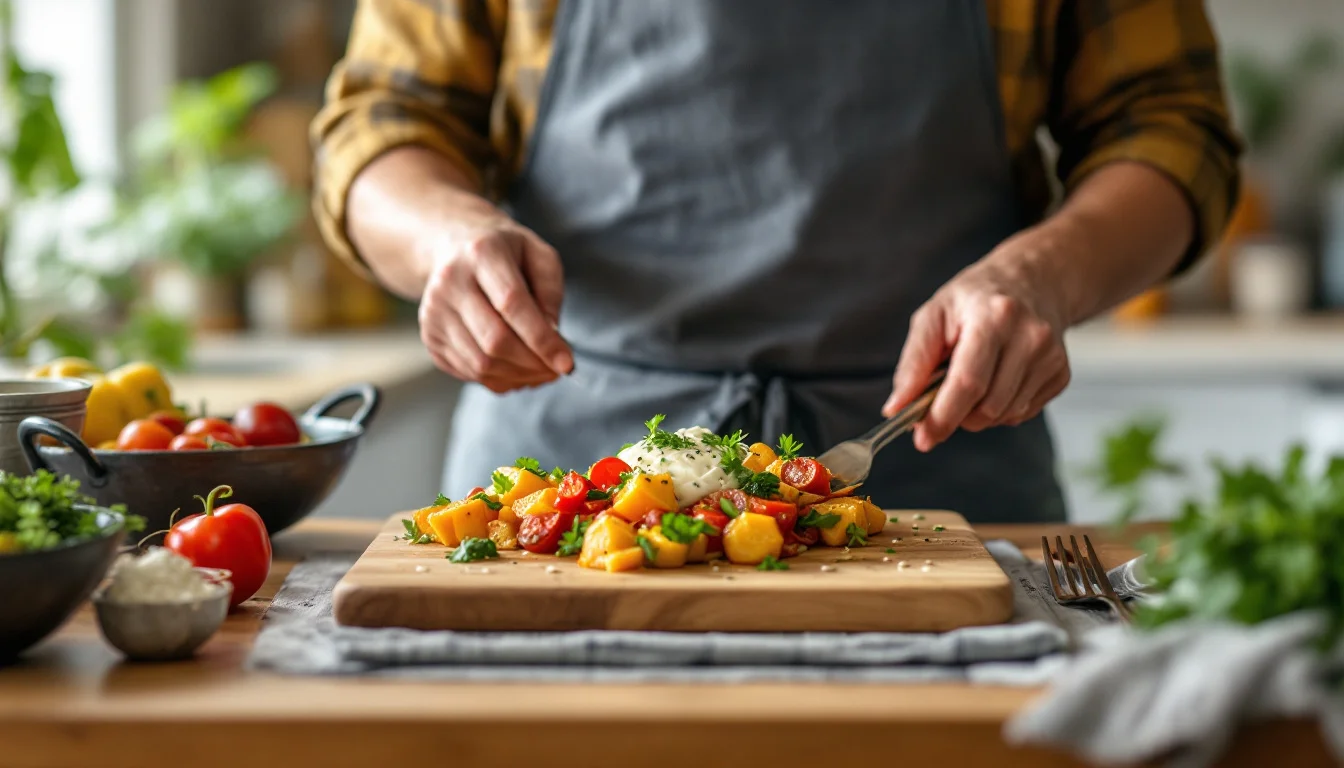
Most professionals abandon weekend cooking routines because spending an entire Sunday afternoon making five identical portions of chili often causes friction and monotony. The traditional approach to batch cooking focuses heavily on creating massive quantities of specific, rigid dishes, leaving cooks tied to a repetitive weekday menu. However, a strategic shift in routine allows most of the week's meals (with frozen overflow) to be completed in a two-hour block. By moving away from complex recipes and embracing a streamlined, overlapping workflow, busy individuals can reclaim their weekend hours. This approach focuses entirely on base ingredients rather than finished plates, allowing for flexibility, continuous parallel cooking, and an efficient use of standard kitchen equipment.
Key Takeaways:
- The 120-Minute Window: Prep involves overlapping tasks to finish the bulk of cooking in about two hours.
- The Component Matrix: Cook individual building blocks (proteins, grains, vegetables) rather than rigid, finished recipes.
- The 3-4 Day Limit: Refrigerated prepped meals are generally considered safe and high-quality for three to four days; freeze the rest.
- Container Minimum: Success requires a baseline of glass containers with locking lids.
- Outsourcing Option: Those unwilling to spend the two hours can use premium delivery services, though at a higher cost.
Why Does Recipe-Cooking Fail the 2-Hour Test?
The primary reason standard meal preparation exceeds the two-hour mark is the difficulty of managing multiple distinct recipes. Attempting to cook several different flavour profiles simultaneously requires measuring dozens of different ingredients, managing conflicting cooking temperatures, and constantly cleaning pots between dishes.
The Component Method
The two-hour prep model eliminates this friction by abandoning the concept of cooking 21 unique recipes for the week. Instead, the system repeats one highly consistent structural pattern: a combination of a protein, a vegetable, a slow carbohydrate, and a little healthy fat. This stripped-down approach forms an overlapping component matrix, prioritizing interchangeable elements over finished plates.Creating Variety Through Assembly
The most efficient weekly meal preparation follows this component system rather than an individual recipe system. The protocol involves cooking one protein, one grain, and two distinct vegetables in bulk. Because these elements are prepared neutrally without heavy, integrated sauces, they function as modular building blocks. Cooks then simply combine them differently across the week. This targeted approach produces necessary daily variety without requiring any extra cooking time during the primary prep session.How Do You Prep Meals in Two Hours?
To execute this matrix within a strict two-hour window, cooks must completely abandon linear preparation. The secret to the two-hour meal prep is mastering overlapping tasks. The fundamental rule of this timeline is to never stand idle waiting for one particular thing to finish.
Phase One: The Assembly-Line Chop
The 120-minute session begins with a quick setup and oven preheat, then moves to a dedicated assembly-line chopping phase before cooking. It is recommended to wash and chop all vegetables at once, including bell peppers, onions, broccoli, and carrots, before storing them in separate staging containers. This assembly-line approach is significantly faster than stopping to chop individual ingredients while cooking, as it creates an uninterrupted flow for the heat-based tasks that follow.Phase Two: Parallel Stovetop and Oven Execution
With the ingredients processed, the parallel cooking process initiates. A dual-zone cooking sequence maximises the use of the kitchen equipment:- Stovetop Initiation: Begin by building a soup base. Heat oil in a large pot and sauté onions and garlic. Add the chopped carrots or celery, canned tomatoes, stock, and barley. Bring this mixture to a simmer.
- Oven Stacking: While the soup simmers, immediately prep the roasting trays. The oven must be preheated to 204°C (400°F).
- Start the Tray That Takes Longest First: Put tray one into the oven. This tray, containing the chosen protein alongside carrots and onions, roasts for about 30 to 40 minutes, depending on the specific protein utilised.
- Staggered Roasting: Introduce tray two, which holds sweet potatoes and Brussels sprouts. This second tray roasts for 25 to 30 minutes.
Phase Three: Use the Roasting Window to Pack Containers
Because the oven trays have different roasting durations, they provide a staggered extraction window. While the protein bakes and the soup or grains cook on the stovetop, the cook uses the remaining minutes to prepare the final storage containers. By stacking these actions, the component inventory is processed, cooked, and packed in about two hours.How Many Containers Do You Actually Need?
A component-based system relies heavily on proper physical storage to maintain the integrity of the roasted and simmered elements. Storing modular ingredients efficiently prevents cross-contamination of flavours and ensures the cooked items remain fresh throughout the work week.
Hardware Specifications
Utilising glass containers equipped with locking lids is recommended for this methodology. Glass vessels do not absorb residual food odours, are safe for microwave reheating, and are durable enough to last for years of continuous rotation. Note that not all glass containers are rated for oven use — check the manufacturer's specifications before placing any container in the oven.To house a complete component matrix, a minimum baseline requires at least five main meal containers (ranging from 900 to 1100 ml in capacity), alongside three smaller vessels dedicated to sauces and snacks.
Full Week Inventory Matrix
For those executing a comprehensive eating schedule, a more extensive suggested container count includes:| Container Category | Suggested Quantity | Primary Application |
|---|---|---|
| Large Containers (900-1100 ml) | 10 (5 lunch, 5 dinner) | Main meals (or fresh dinners 2-3 nights) |
| Medium Containers / Jars | 5 | Breakfast components |
| Small Containers | 10 to 15 | Portioning sauces and snacks |
What the Containers Cost
Transitioning to this organised system requires an upfront purchase. Investing in quality containers that will last for years requires a financial commitment of around $40 to $80 USD (prices will vary by retailer and region). This one-time setup fee establishes the long-term physical storage needed to execute the two-hour protocol.How Long Do Prepped Meals Stay Safe in the Fridge?
Trying to prep for seven days at once is often a mistake; beginners should start by prepping for three to four days, because certain foods simply do not last a full week in the refrigerator without degrading in quality or safety. Storage windows also vary by food type: a general guide suggests four days maximum for cooked chicken or turkey, four to five days for cooked beef or pork, two to three days for cooked fish, three to four days for roasted vegetables, and three to four days for soups and stews. Readers should always apply their local food-safety authority's rules, which may differ.
Temperature Control and Storage Quality
Managing residual heat is critical. Cooks are warned against the practice of putting hot food directly into storage containers. Doing so creates internal condensation, which ultimately makes the prepped food soggy and accelerates texture degradation. To prevent this while maintaining food safety, cooks must let the hot components cool in a clean environment for 10 to 15 minutes before sealing the locking lids and placing them in the refrigerator, ensuring the total time at room temperature never exceeds two hours.Standard Safety Parameters
It is advisable to eat all refrigerated meal-prepped items within a window of three to four days, and freeze any extra portions that will not be eaten by then to avoid unnecessary food waste.The following are general guidelines for meal prep food safety (readers outside the US should verify against their own national food-safety agency):
- Refrigerate all items within two hours of cooking (or within one hour if the ambient temperature exceeds 90°F/32°C).
- Keep the refrigerator environment at 40°F (≈4°C) or below.
- Reheat meals to an internal temperature of 165°F (≈74°C).
Should You DIY Prep or Buy Local Meal Boxes?
For urban professionals, the decision on how to manage weekly nutrition ultimately rests between building a personal system or buying a commercial solution. The two-hour component method requires a modest upfront container investment and a dedicated block of time, but offers total menu control and reduced weekly grocery costs.